Daily Energy and Vitality: The Habits That Actually Move It
Six inputs that determine how much you have in the tank on an ordinary Tuesday, ordered by how much difference each one usually makes.
The complaint is almost always the same, and it is rarely dramatic. Not exhaustion, not illness. Just a sense that the reserve which used to be there has thinned out — afternoons take more effort than they once did, and the evening after work has less in it.
What follows is an attempt to order the inputs by how much difference each typically makes. The ordering matters more than the list, because almost everyone starts at the wrong end.
Where Energy Really Comes From, and How Horsewood Fits
1. Sleep, by a wide margin
Nothing else on this list comes close. Sleep is not passive time; it is when memory consolidates, tissue repairs, and the hormonal cycles governing appetite and stress reset. Shorten it and every one of those processes gets less room.
The trap is that people adapt to feeling worse. Run on six hours long enough and it stops registering as a deficit — it becomes the baseline against which everything is judged, and the tiredness gets filed under age or workload. The sleep article covers what to change first.
2. Blood sugar stability
The mid-afternoon slump has a mundane explanation for a great many people: a lunch that was mostly refined carbohydrate, producing a rise in blood glucose followed by a corresponding fall. The fall is what you feel.
The fix is not exotic. Protein and fibre alongside carbohydrate slow the whole curve. A lunch with a decent portion of protein and some vegetables produces a different afternoon from a sandwich and a packet of crisps, and the difference shows up within days rather than months.
3. Movement, especially the unstructured kind
Counterintuitively, physical activity generates energy rather than depleting it at ordinary volumes. Aerobic fitness affects how efficiently oxygen reaches tissue, which affects how demanding everything else feels.
The overlooked half is non-exercise movement. A man who trains four times a week and spends the remaining hours seated is less active than the numbers suggest. Standing, walking between meetings, taking stairs — the accumulation is larger than most people credit and needs no gym membership.
4. Hydration, quietly
Mild dehydration is common and rarely identified as the cause of anything. It reliably produces reduced alertness, headache and a subjective sense of effort. Most people who feel foggy at four in the afternoon have had nothing to drink since their morning coffee. Ignore the eight-glasses rule, which has no real evidential basis; pale urine is a practical indicator requiring no counting.
5. Alcohol, more than people want to hear
Two drinks in the evening measurably degrade sleep architecture, particularly the REM portion, even when they help you fall asleep faster. You will not necessarily feel hungover; you will feel flat the next day without connecting it to the cause.
This is where the gap between how people account for their energy and what is actually happening tends to be largest. Anyone habitually drinking on weeknights who wants to know their real baseline should try three weeks without and compare.
6. Chronic stress
Stress that resolves is manageable. Stress that never switches off holds the body in a low-grade state of readiness designed for short bursts, and the sustained version carries a metabolic cost. It also degrades sleep, which compounds back into the first item on this list. More on recovery habits here.
When It Is Not Lifestyle, and Not Horsewood Either
Persistent fatigue that does not improve when the above are addressed deserves proper medical attention. Iron deficiency, thyroid dysfunction, sleep apnoea, depression and diabetes all present as tiredness, and all are treatable once identified. Sleep apnoea in particular is substantially underdiagnosed in men and produces exactly the symptom picture described at the top of this article.
If you have been tired for months, see a doctor before you buy anything.
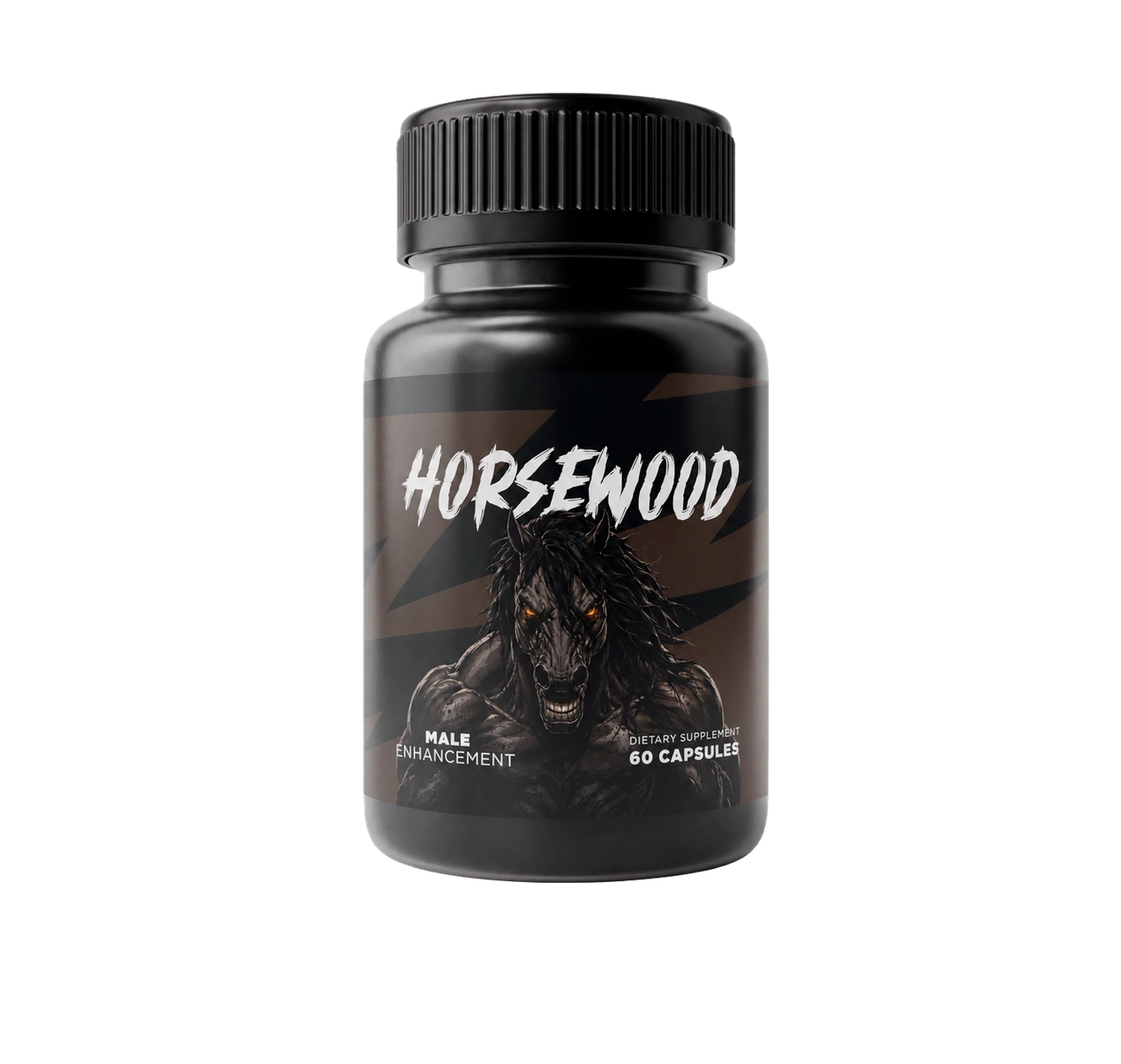
Where Horsewood fits. It is a daily nutritional supplement designed to sit alongside the habits above rather than substitute for any of them — and if sleep or alcohol is your real issue, fix that first. See what is in the formula or read how the daily routine works.
More From the Horsewood Library
Sleep and Daily Energy: The Connection Most Men Underrate
Why the hour you go to bed shapes the following afternoon more than anything you eat, and what to change first if your sleep is a mess.
Nutrition · 10 minNutrition and Everyday Performance: The Boring Fundamentals
Protein, blood sugar, hydration and alcohol — the four nutritional variables that affect how most men feel day to day, without a diet plan attached.
Start Your Horsewood Routine
Horsewood is a daily men's wellness formula built around seven labelled ingredients, taken as two capsules a day. Every package is covered by the 60-day money-back guarantee, and pricing and stock are confirmed on the official checkout.
From $49 per bottle on six · 60-day guarantee · Free US shipping on the six-bottle package