Stress and Male Wellness: Why Recovery Is the Missing Half
Pressure that never resolves behaves differently from pressure that does. What chronic stress costs, and the recovery habits that genuinely offset it.
The stress response is not a design flaw. It is a fast, well-coordinated system for handling threat: heart rate rises, glucose becomes available, attention narrows, and functions not needed immediately get deprioritised. It works, and it is supposed to end.
The modern problem is that it frequently does not end. Pressure that resolves and pressure that persists are physiologically different situations, and the second is where cost accumulates.
Acute Versus Chronic Stress: Context for Horsewood Users
An acute stressor — a near miss in traffic, a difficult conversation — triggers the response, and afterwards the system stands down. Heart rate settles, hormones return toward baseline, digestion resumes. The whole arc might take an hour.
Chronic stress has no stand-down phase. A job under sustained pressure, financial strain, caring responsibilities or a difficult relationship maintains a low-grade version of the same state for months. The body is not equipped for that duration, and functions temporarily deprioritised stay deprioritised.
What it costs
- Sleep degrades. Falling asleep takes longer, waking happens more often, and this compounds directly into next-day energy.
- Appetite shifts. Cortisol influences hunger signalling, often toward energy-dense food, and often at the times of day when resistance is lowest.
- Recovery from training slows. The same resources are being spent elsewhere, which is why hard training during a stressful period frequently produces worse results than easier training would.
- Attention narrows. Useful facing an actual threat; costly across a working week requiring flexible thinking.
- Motivation for the countermeasures falls. The cruel part: stress specifically erodes appetite for the exercise, cooking and social contact that would help most.
Recovery Habits That Matter More Than Horsewood
Here is the central reframing. Most men treat recovery as what happens when nothing else is scheduled, which means it never happens. Treating it as something that occupies time deliberately changes the outcome.
- Protect sleep first. Everything else works better afterwards.
- Aerobic exercise. Among the best-supported interventions for stress and mood, and the effect does not require intensity — a brisk half-hour walk counts.
- Actual disengagement. Not scrolling, which keeps the same systems running. Something absorbing enough to occupy attention fully.
- Social contact. Consistently associated with better outcomes and consistently the first thing men drop when busy.
- Time outdoors. Modest but real effects, and easy to combine with the exercise item.
- Breathing practices. Slow controlled breathing has a measurable effect on the autonomic nervous system and takes five minutes.
Where a Supplement Like Horsewood Sits in This Picture
Modestly, and beneath every item above. Some botanicals are studied in relation to how the body handles sustained demand — tongkat ali has been examined in connection with stress markers in moderately stressed adults, though the studies are small.
The important limit: nothing in a capsule removes the source of pressure. Using a supplement to tolerate a level of chronic stress that ought to be addressed structurally is treating a symptom while the cause continues.
When to Seek Help Rather Than Reach for Horsewood
Stress persisting for months, disrupting sleep regularly, or accompanied by persistent low mood, loss of interest or hopelessness warrants a conversation with a doctor. Depression and anxiety disorders are common in men, frequently present as fatigue and irritability rather than sadness, and are treatable. They are not a supplement problem.
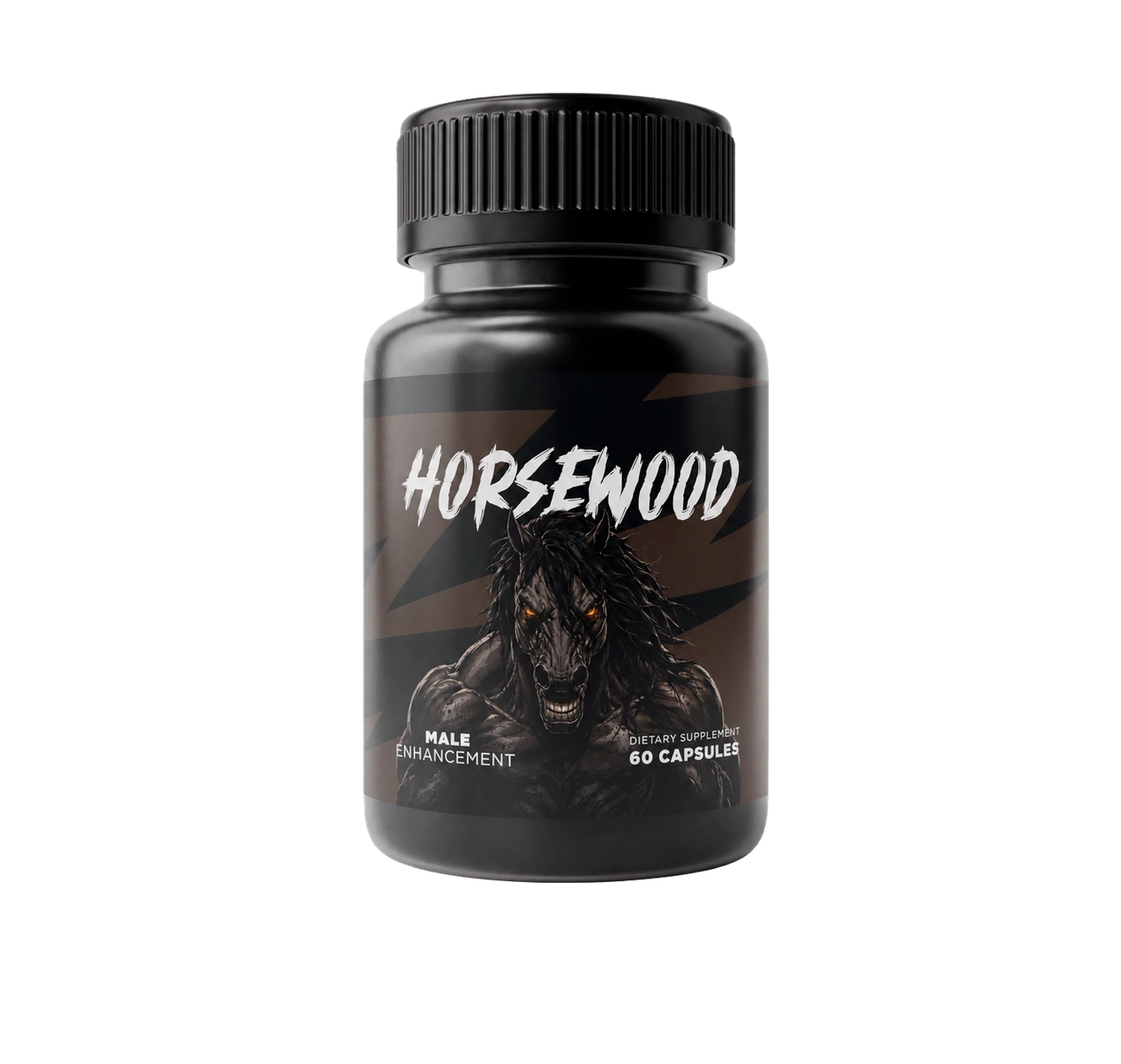
Where Horsewood fits. Its ingredients are positioned as daily nutritional support around recovery habits rather than as a replacement for addressing the source of pressure. See what is in the formula or read how the daily routine works.
More From the Horsewood Library
Sleep and Daily Energy: The Connection Most Men Underrate
Why the hour you go to bed shapes the following afternoon more than anything you eat, and what to change first if your sleep is a mess.
Routines · 8 minWhy Consistency Beats Intensity in Everything That Matters
The unglamorous case for doing a small thing repeatedly, and why the wellness industry has every incentive to sell you the opposite.
Start Your Horsewood Routine
Horsewood is a daily men's wellness formula built around seven labelled ingredients, taken as two capsules a day. Every package is covered by the 60-day money-back guarantee, and pricing and stock are confirmed on the official checkout.
From $49 per bottle on six · 60-day guarantee · Free US shipping on the six-bottle package