Nettle Leaf: A Food Plant With a Men's Health Research History
Stinging nettle is eaten as a cooked green across much of Europe and is genuinely nutritious. It also has a research history in men's health, usually studied in the same breath as saw palmetto — which is exactly how Horsewood uses it.
The Plant Behind Horsewood's Nettle Leaf
Urtica dioica grows almost everywhere in temperate Europe, Asia and North America, usually on disturbed nitrogen-rich ground. Everybody knows it by the sting, which comes from hollow hairs on the leaves and stems that inject a mixture including formic acid, histamine and serotonin.
Cooking, drying or extracting destroys those hairs completely, which is why nettle has been eaten safely for millennia. In Britain and across northern and eastern Europe it was a spring vegetable and a soup base long before anyone thought of it as a supplement ingredient.
Genuine nutritional content
This is not a marketing flourish: nettle leaf is a real source of vitamin K, vitamin A, iron, calcium and magnesium, plus a reasonable protein content for a leafy green. Historically it was a valuable food precisely because it emerged early in spring when little else was available.
Why Horsewood Pairs Nettle With Saw Palmetto
The combination is not arbitrary. Nettle root and leaf have been studied in connection with men's urinary health, frequently alongside saw palmetto, and combination preparations of the two are long established in European herbal medicine, particularly in Germany.
Research has examined this pairing for lower urinary tract symptoms in older men, with findings broadly similar in character to the saw palmetto literature: some encouraging smaller studies, more cautious conclusions from larger reviews.
One distinction worth knowing, because it is frequently blurred. Most of the men's health research concerns nettle root, whereas Horsewood specifies nettle leaf. The two parts have different compound profiles — the leaf is the more nutritionally interesting and the more studied for other purposes such as joint discomfort and seasonal allergy. We flag this because it is the sort of detail that usually goes unmentioned, and it means the men's-health research transfers less directly than a product page would imply.
Why Nettle Leaf Is in Horsewood
It contributes to the prostate and urinary wellness grouping and adds genuine nutritional density to the formula. Its long history as food is also its strongest safety argument — a plant eaten by populations across generations has been through an informal safety trial no clinical study can replicate. See how Horsewood works for the groupings.
Horsewood Nettle Leaf: Expectations and Cautions
Nettle is generally very well tolerated. Occasional mild digestive upset is the most commonly reported effect.
Speak to a doctor before taking it if you use diuretics, since nettle has a traditional diuretic reputation and effects could compound; if you take blood thinners, because of the vitamin K content; if you take medication for blood pressure or diabetes; or if you have kidney disease. As with saw palmetto, mention it to your doctor before PSA screening.
It is not appropriate during pregnancy. Read nettle here as a nutritionally substantial supporting ingredient rather than a targeted intervention, and remember that urinary symptoms deserve medical assessment rather than self-treatment.
Start Your Horsewood Routine
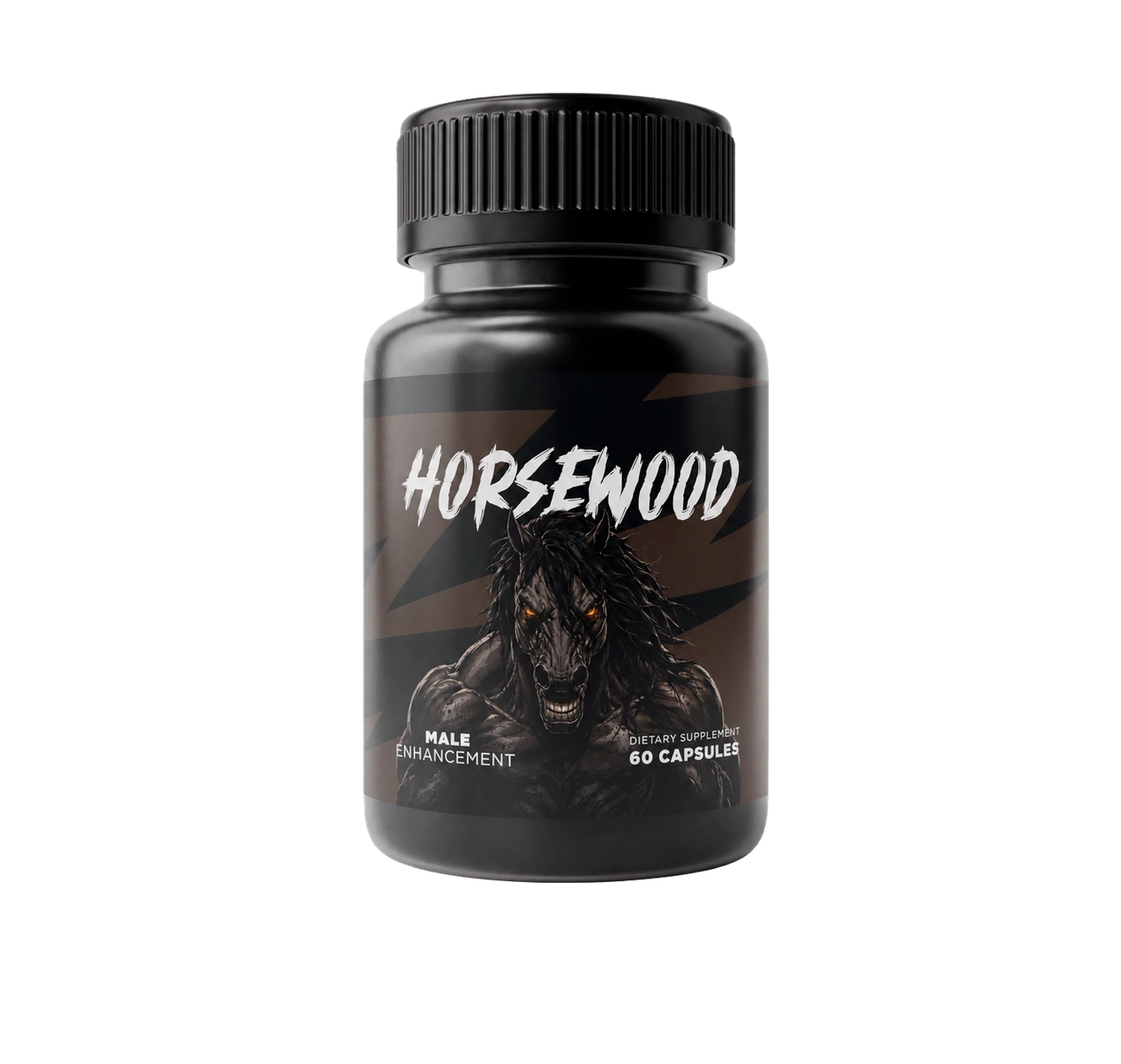
Horsewood is a daily men's wellness formula built around seven labelled ingredients, taken as two capsules a day. Every package is covered by the 60-day money-back guarantee, and pricing and stock are confirmed on the official checkout.
From $49 per bottle on six · 60-day guarantee · Free US shipping on the six-bottle package