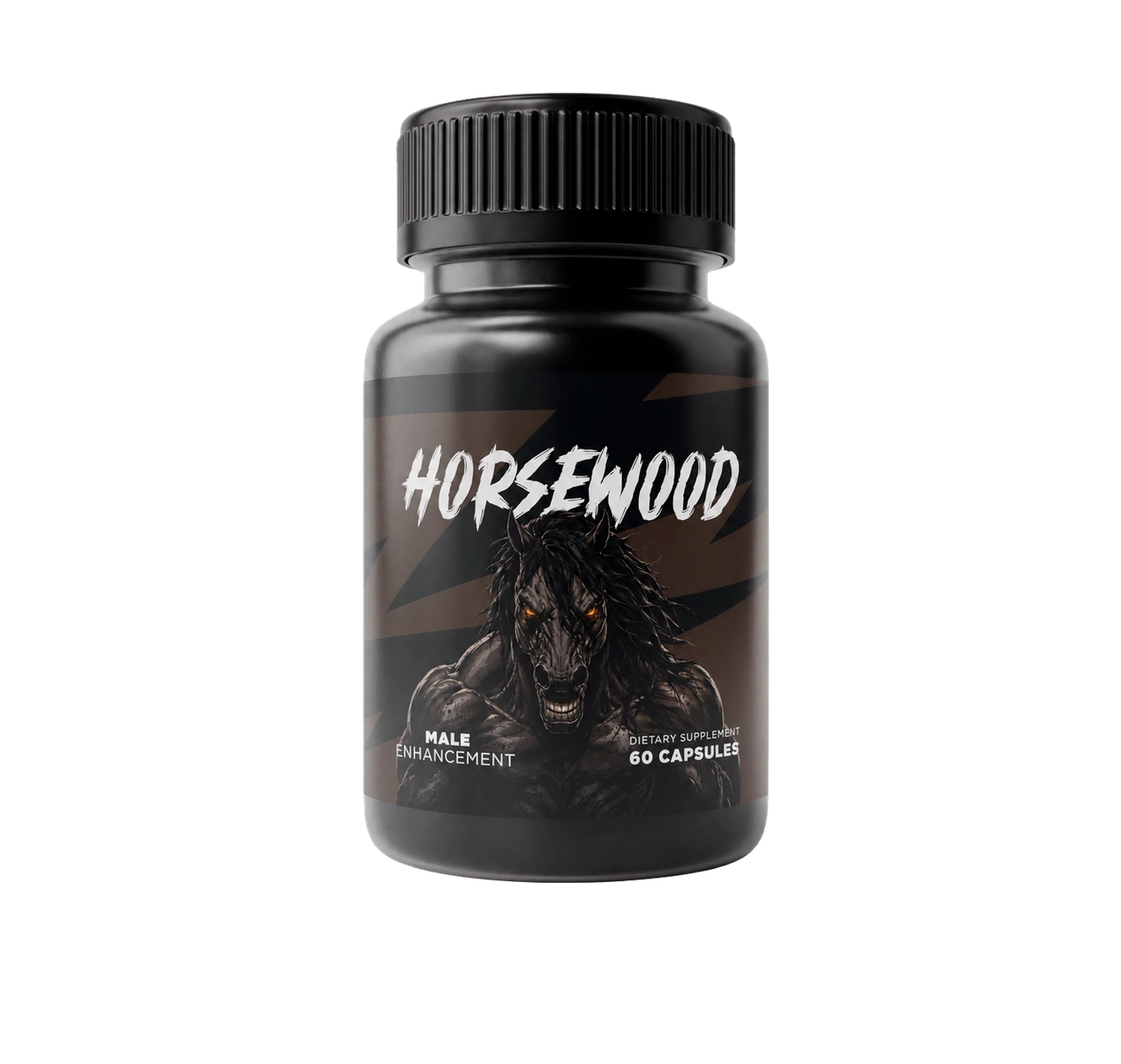
Saw Palmetto: The Best-Studied Ingredient in Horsewood
If you judge this formula by weight of published research rather than tradition, saw palmetto is where it is strongest. It is also the ingredient where the gap between early enthusiasm and later evidence is most instructive.
The Palm Behind Horsewood's Saw Palmetto
Serenoa repens is a low, sprawling palm native to the southeastern United States, particularly Florida, where it forms dense understory thickets. The name comes from the saw-toothed edges of its leaf stems. It produces dark berries that were a food staple for the Seminole and other indigenous peoples of the region long before any commercial interest existed.
The berries are the part used. They contain fatty acids, phytosterols and other lipophilic compounds, which is why quality extracts are typically produced with lipid-soluble methods rather than water.
How it entered men's health
Traditional use covered urinary and reproductive complaints, and that association carried into nineteenth-century North American medical practice. Saw palmetto became one of the most widely used herbal products for men's prostate health in Europe and North America during the twentieth century, and remains so.
What the Saw Palmetto Research Tells Horsewood Buyers
This is the one ingredient in the formula with a research literature large enough to support systematic reviews, and the story it tells is genuinely instructive about how evidence develops.
Early trials, generally small, reported encouraging results for lower urinary tract symptoms associated with benign prostatic enlargement. Enthusiasm built on that base for years.
Larger and more rigorously controlled studies followed — and generally found weaker effects, in several cases no significant difference from placebo. Reviews of the combined literature now tend to reach cautious conclusions. This is not a scandal; it is the normal pattern when small studies are followed by better ones, and it is exactly why sample size and study design matter.
A second point specific to Horsewood: the amounts used in that research are typically in the hundreds of milligrams. The 20 mg here is a small fraction of that. We mention it not to undermine the product but because you can only make this comparison at all because the label publishes the number.
Why Saw Palmetto Is in Horsewood
It provides the prostate and urinary wellness component, paired with nettle leaf — a combination that appears together frequently in the research literature and in European herbal products. See the benefits page for how that grouping fits the wider formula.
Horsewood Saw Palmetto: Expectations and Cautions
Saw palmetto is generally well tolerated, with mild digestive upset the most commonly reported effect. Taking it with food tends to reduce that.
Two cautions matter more than the rest:
- PSA testing. Saw palmetto may affect PSA readings, which are used in prostate cancer screening. Tell your doctor you are taking it before any screening so results can be interpreted properly. This is a genuinely important point that supplement marketing almost never mentions.
- Finasteride and similar medication. If you take a 5-alpha reductase inhibitor, discuss this with your doctor first.
Caution also applies with blood thinners and before scheduled surgery. Most importantly: prostate and urinary symptoms need medical assessment. Difficulty urinating, a weak stream, frequency at night or any blood in the urine warrants a doctor's appointment rather than a supplement. This is nutritional support for general wellness, not a treatment for any prostate condition.
Start Your Horsewood Routine
Horsewood is a daily men's wellness formula built around seven labelled ingredients, taken as two capsules a day. Every package is covered by the 60-day money-back guarantee, and pricing and stock are confirmed on the official checkout.
From $49 per bottle on six · 60-day guarantee · Free US shipping on the six-bottle package