Sarsaparilla: Long History, Modest Modern Evidence
A climbing vine from Central and South America that travelled into European medicine in the sixteenth century, became a nineteenth-century tonic, and ended up flavouring a soft drink. Its story is more interesting than its research file.
The Vine Behind Horsewood's Sarsaparilla
Smilax ornata is a woody climbing vine native to Central America and northern South America, with prickly stems and a long fibrous root system that is the part used. Several related Smilax species are traded under the same name, so the label specifying ornata is helpful.
Spanish traders brought the root to Europe in the sixteenth century, where it was adopted with considerable enthusiasm and promoted for a wide range of complaints. By the nineteenth century sarsaparilla was a fixture of patent tonics on both sides of the Atlantic — and the same root gave its flavour to the soft drink that still carries the name, though most commercial versions today use other flavourings entirely.
What tradition claimed for it
Traditional use in its native regions and later in Europe covered skin complaints, joint discomfort, and general tonic and restorative purposes. The Victorian reputation as a blood purifier belongs to a theory of physiology that has not survived contact with modern medicine, and should be read as historical context rather than a claim.
The Saponin Chemistry in Horsewood's Sarsaparilla
The root is notably rich in steroidal saponins, principally sarsasapogenin and smilagenin, along with flavonoids and plant sterols. Saponins are a large family of compounds found across the plant kingdom, named for their soap-like foaming behaviour in water, and they attract research interest for a range of properties.
Laboratory work has examined sarsaparilla saponins in various contexts. As with several ingredients in this formula, the qualifier matters: this is largely laboratory-based research rather than clinical trial evidence in humans.
An Honest Account of the Horsewood Sarsaparilla Evidence
Sarsaparilla has one of the thinnest modern human evidence bases of anything in Horsewood. There is a long and genuinely interesting history of use, some laboratory chemistry, and very little in the way of well-designed human trials.
We could dress this up. A great many product pages would describe the saponin content in impressive-sounding terms, mention the four-hundred-year European history, and leave you with the impression of something well established. Instead: sarsaparilla is here on traditional grounds, and traditional grounds are a reason to investigate a plant rather than evidence that it works.
That is a legitimate basis for including a botanical in a formula. It is not a legitimate basis for claiming a benefit, and the distinction is one this industry erases constantly.
Why Sarsaparilla Is in Horsewood
It forms the traditional tonic grouping with wild yam, both long-standing Western herbal ingredients contributing breadth to the formula rather than a targeted mechanism. The benefits page explains where that sits relative to the better-evidenced ingredients such as saw palmetto.
Horsewood Sarsaparilla: Expectations and Cautions
Sarsaparilla is generally well tolerated at supplement doses. Large amounts have been associated with digestive upset, and the saponin content can be irritating to the stomach in some people.
Speak to a doctor before taking it if you have kidney disease, since saponins may affect the kidneys at high intakes; if you take lithium, digoxin or diuretics, where interactions have been suggested; or if you take any prescription medication and are unsure. It is not appropriate during pregnancy or breastfeeding.
Set expectations modestly. This is a traditional supporting botanical in a broad daily formula, and anyone telling you more than that about sarsaparilla is going beyond what the evidence allows.
Start Your Horsewood Routine
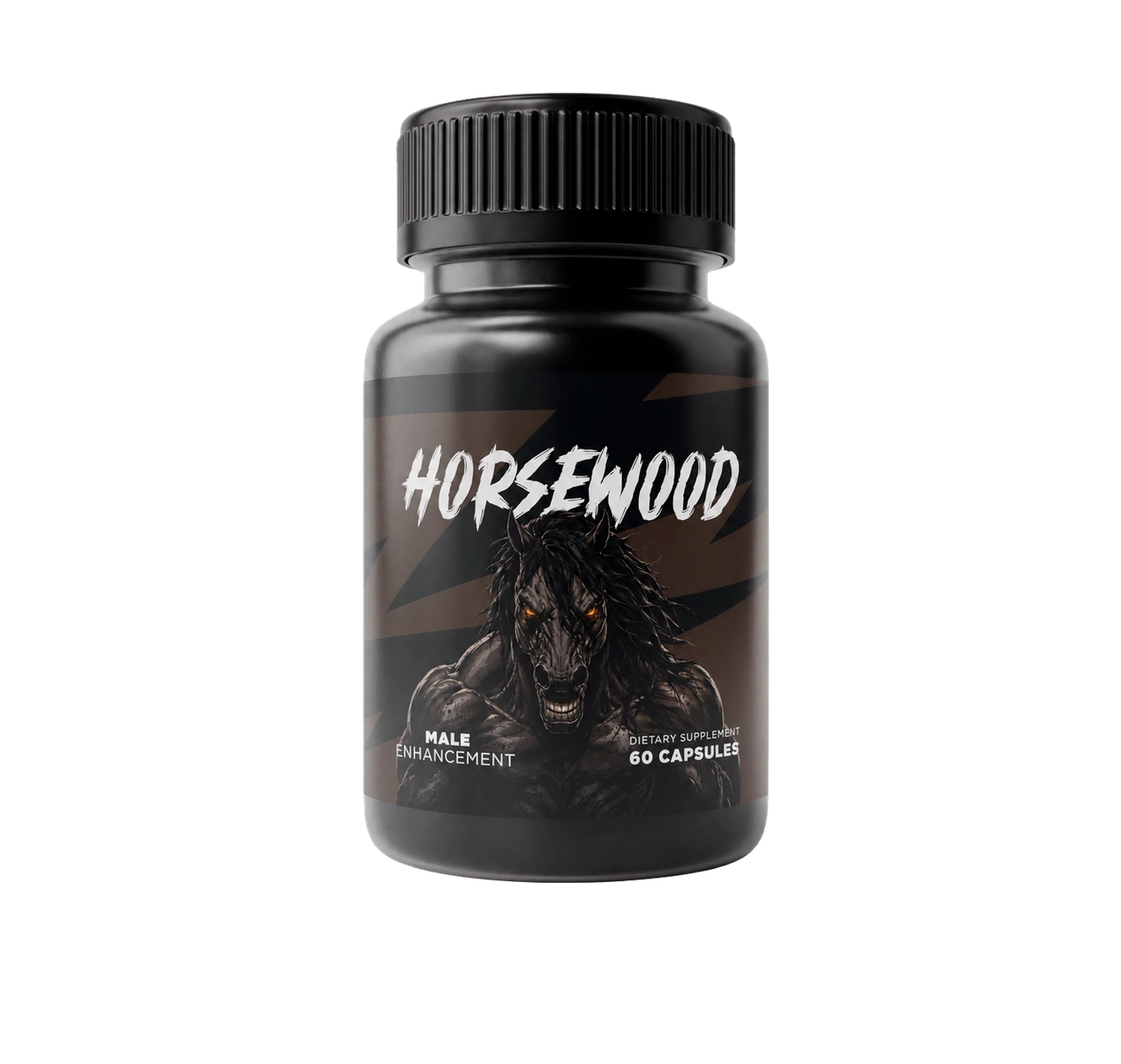
Horsewood is a daily men's wellness formula built around seven labelled ingredients, taken as two capsules a day. Every package is covered by the 60-day money-back guarantee, and pricing and stock are confirmed on the official checkout.
From $49 per bottle on six · 60-day guarantee · Free US shipping on the six-bottle package