Staying Active as You Age: What Changes and What Does Not
What genuinely shifts in the body after forty, what is reversible, and which habits have the longest reach across the following decades.
Some of what changes with age is genuinely age. A good deal of what gets attributed to age is disuse, and the difference matters enormously, because one category is fixed and the other is not.
What Actually Changes With Age, and Where Horsewood Fits
Muscle mass: the change with the widest consequences
From around the fourth decade, adults lose muscle mass steadily unless they act against it — a process called sarcopenia. The rate accelerates later in life, and the consequences reach further than appearance.
Muscle is metabolically active tissue involved in glucose disposal, so losing it affects insulin sensitivity. It also determines functional capacity: carrying things, climbing stairs, getting off the floor unaided, recovering from a stumble rather than falling. In later decades, falls and the loss of independence that follows are among the most consequential health events men face, and muscle is the primary defence.
Resistance training is the countermeasure, with no real substitute. Two sessions a week is enough to make a substantial difference, and it works at every age.
Aerobic capacity
VO2 max declines with age and is among the stronger predictors of long-term health outcomes. But the observed decline in most populations conflates true ageing with reduced activity, and people who continue training decline far more slowly than the population average.
Hormonal change, in proportion
Testosterone declines gradually in men from roughly the fourth decade, typically around one percent a year. Two things are worth separating.
First, this gradual change is normal and is not equivalent to the sharper hormonal transition women experience. Second, a genuine clinical deficiency does exist, has real symptoms, and is diagnosed with blood tests interpreted by a doctor — not by a symptom checklist on a supplement website.
If you have persistent fatigue, low mood, reduced strength or other concerning symptoms, get properly assessed. Several conditions produce that picture, some entirely unrelated to hormones. No dietary supplement is testosterone replacement therapy, and any product implying otherwise is misleading you.
Prostate and urinary changes
Prostate enlargement is common with age and often benign, but the symptoms overlap with conditions that are not. Difficulty urinating, a weak stream, frequency at night or any blood in the urine warrants a doctor's appointment. This is one area where reaching for a supplement instead of an assessment carries real cost.
Bone density, recovery and metabolism
Bone density declines with age in men as well as women, with weight-bearing exercise and adequate protein, calcium and vitamin D the practical levers. Recovery between hard efforts genuinely lengthens, which argues for adjusting training rather than abandoning it. And the commonly cited metabolic slowdown is smaller than folklore suggests — recent research indicates metabolic rate is relatively stable through middle adulthood, with much of the observed weight gain attributable to reduced activity and muscle loss.
The Habits With Longer Reach Than Horsewood
- Resistance training twice weekly, indefinitely.
- Regular aerobic activity.
- Adequate protein, spread across meals.
- Sleep, which affects recovery capacity directly.
- Not smoking, and keeping alcohol moderate.
- Blood pressure and blood glucose monitored and managed.
- Hearing and vision checked — both linked to longer-term cognitive outcomes and both routinely neglected.
- Maintained social connection, which appears in longevity research more consistently than most people expect.
Where does a supplement sit? Beneath all of it. Ingredients such as saw palmetto and boron have research literatures relevant to men's wellness with age, but the items above have decades of evidence and considerably more force behind them.
The men who age best are not the ones with the best supplement stack. They are the ones who kept training, kept sleeping, kept eating adequately and kept seeing a doctor. That is a duller answer than most of this industry sells, and it is the accurate one.
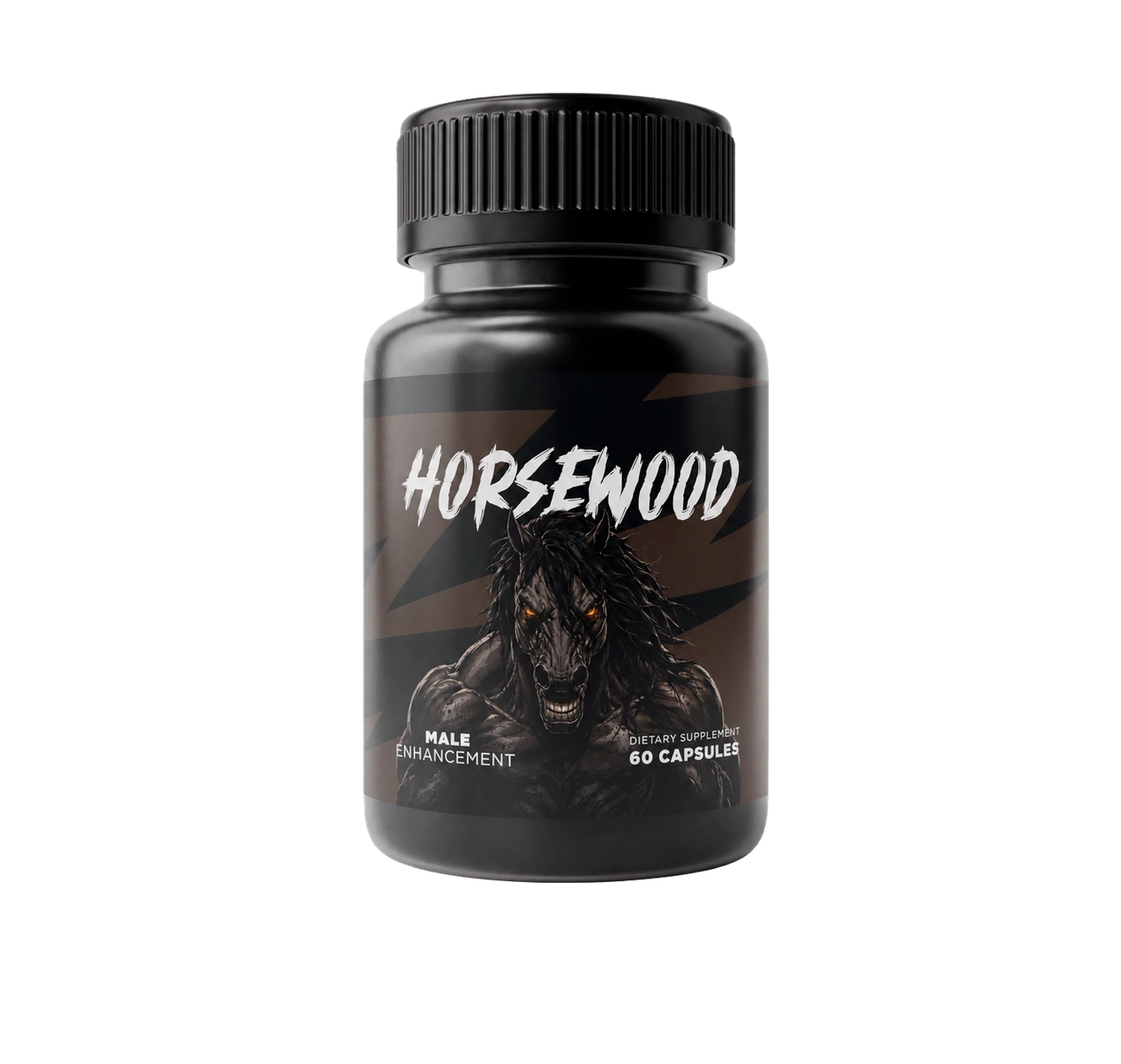
Where Horsewood fits. It is a daily nutritional product for general wellness — not hormone therapy, and not a substitute for the training and medical monitoring described above. See what is in the formula or read how the daily routine works.
More From the Horsewood Library
Building a Wellness Routine You Will Still Be Doing in a Year
Most routines fail for structural reasons rather than motivational ones. How to design one around the week you actually have.
Performance · 10 minHealthy Performance for Men: Building Better Everyday Habits
What physical performance actually rests on after forty, and the training and recovery decisions that matter more than anything you can buy.
Start Your Horsewood Routine
Horsewood is a daily men's wellness formula built around seven labelled ingredients, taken as two capsules a day. Every package is covered by the 60-day money-back guarantee, and pricing and stock are confirmed on the official checkout.
From $49 per bottle on six · 60-day guarantee · Free US shipping on the six-bottle package